.png)
Explore all things mental health. Check out some of our latest journals below.
Filter by Topic

Anxiety & Panic
Anxiety affects everyone differently, with symptoms manifesting in both physical and psychological ways. One common physical symptom experienced by individuals with anxiety is dry mouth, scientifically known as xerostomia. In this article, we delve into the connection between anxiety and dry mouth, explore the underlying causes, and provide practical solutions.
Read More
-5542967.jpeg)
Anxiety & Panic
While it's commonly known that anxiety can manifest in various physical symptoms, the link between anxiety and sinus issues is less frequently discussed. Despite being overlooked, this connection is a valid aspect of the body's response to anxiety.
Read More

Anxiety & Panic
Anxiety manifests in myriad ways, and its effects aren't just confined to mental and emotional states. Many people are unaware that it can also influence physical functions such as urination. In this article, we'll delve into the relationship between anxiety and frequent urination, also known as urinary frequency.
Read More
.jpeg)
Anxiety & Panic
Iron is a crucial mineral that the body needs for numerous biological functions, including oxygen transport, energy production, and maintaining a healthy immune system. A deficiency in iron can lead to various health problems, such as fatigue, weakness, and pale skin. However, it's not just the physical aspects of our health that can be affected. Emerging evidence suggests a potential link between low iron levels and mental health conditions like anxiety.
Read More

Anxiety & Panic
Being 'riddled with anxiety' is a phrase often used to describe the pervasive and constant presence of anxiety in one's life. It signifies an unrelenting state of worry and fear that seeps into every corner of existence, coloring thoughts, decisions, and interactions. This article seeks to shed light on what it means to be riddled with anxiety, its impacts on various aspects of life, and how to navigate through such a state.
Read More

Anxiety & Panic
Performance anxiety, often referred to as "stage fright," is a common phenomenon experienced by people who need to perform in front of others. From public speakers to athletes to musicians, performance anxiety can affect anyone, regardless of their expertise or familiarity with their performance. This article delves into the depths of performance anxiety, its impact, and how individuals can cope with it effectively.
Read More

Anxiety & Panic
Death anxiety, a profound, existential fear of mortality, is a universal human experience. This apprehension is both deeply personal and universally shared, marking our lives in various ways. This article explores the concept of death anxiety, its origins, and potential strategies to cope with this fear.
Read More

Anxiety & Panic
Stress is often dismissed as an inevitable, manageable part of modern life. But when left unchecked, its repercussions can escalate far beyond occasional discomfort. While it may sound dramatic, the question of whether stress can kill has scientific grounding. This article explores the profound impacts of uncontrolled stress on the human body and its potential lethal consequences.
Read More



OCD & ERP Therapy
Online ERP therapy helps people with OCD gradually face triggers while reducing compulsions, avoidance, reassurance seeking, and mental rituals. Effective ERP should be therapist-guided, personalized, and carefully paced, with individual therapy, group support, family involvement, or higher-level care chosen according to symptom severity and safety needs.
All Journals
Read More

OCD & ERP Therapy
Online therapy for OCD can combine exposure and response prevention (ERP) with support groups to address compulsions, avoidance, reassurance seeking, and intrusive thoughts. ERP provides structured, therapist-guided treatment, while groups can add education, connection, and accountability, but should not replace clinical care when symptoms are severe or significantly disruptive.
All Journals
Read More

BPD & Emotional Regulation
BPD hypersexuality can involve sexual impulsivity, validation seeking, shame, and intense efforts to feel connected or avoid rejection. This guide explains how these patterns may develop, how DBT and other therapy approaches can help, and when professional or higher-level support may be needed.
All Journals
Read More

BPD & Emotional Regulation
BPD self-sabotaging behavior can affect relationships, routines, work, safety, and self-image, often during moments of intense distress, shame, or fear of rejection. Therapy may help people recognize triggers, slow impulsive reactions, practice DBT skills, and build healthier ways to pause, repair, and cope.
All Journals
Read More

BPD & Emotional Regulation
The BPD friendship cycle can make close relationships feel intense, uncertain, and emotionally exhausting. This guide explains why friendship patterns may feel unstable, how fear of rejection can affect connection, and how DBT-informed therapy may support healthier communication, repair, and emotional regulation.
All Journals
Read More

BPD & Emotional Regulation
Mild BPD symptoms may still affect emotions, relationships, identity, and coping, even when daily life appears stable from the outside. Early therapy, especially DBT-informed support, may help people recognize patterns sooner, build emotional regulation skills, and prevent repeated conflict, avoidance, or impulsive coping from becoming harder to manage.
All Journals
Read More

BPD & Emotional Regulation
Avoidant BPD is not a formal diagnosis, but it may describe patterns of withdrawal, shame, and fear of rejection linked to BPD-related struggles. Therapy, especially DBT-informed support, may help people understand these patterns, manage emotional intensity, and build safer ways to communicate instead of pulling away.
All Journals
Read More

BPD & Emotional Regulation
Group + individual therapy for BPD can help by combining private support for personal patterns, safety needs, and relationship challenges with structured group practice for DBT skills. This combination may support steadier progress by building emotional regulation, distress tolerance, accountability, and more consistent coping in real-life situations.
All Journals
Read More
BPD & Emotional Regulation
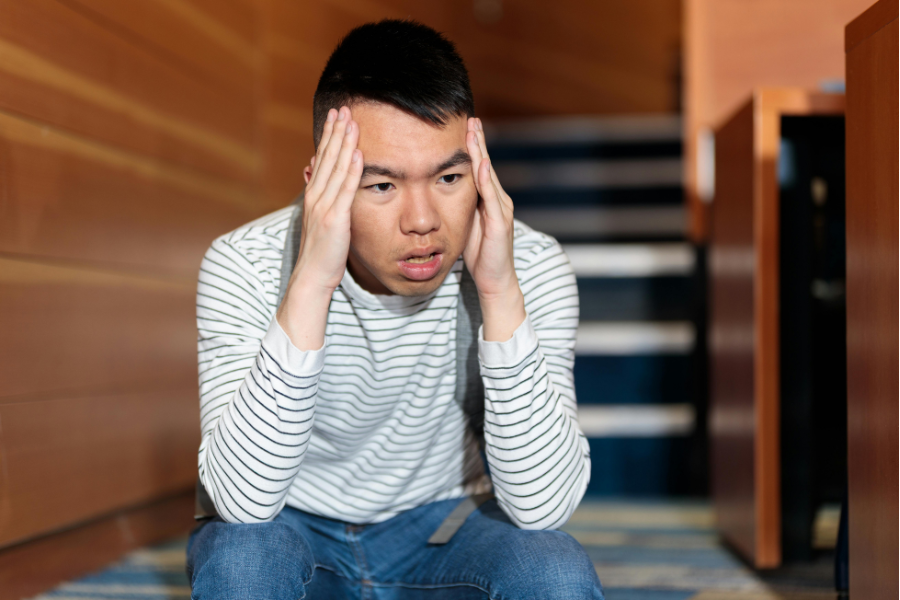
Therapy for borderline personality disorder helps people build emotional regulation, safer coping, stronger relationship skills, and more stable responses during distress. Real progress is usually gradual, showing up as fewer crisis-driven reactions, better repair after conflict, and more consistent use of DBT-informed skills and support.
All Journals
Read More

BPD & Emotional Regulation
This blog explains how therapy for BPD, especially DBT therapy, can help people manage intense emotions, relationship stress, impulsive reactions, and distress more safely. It also guides readers on how to compare BPD therapy options, including individual therapy, group skills training, online care, and self-guided DBT, based on symptoms, safety needs, and clinical support.
All Journals
Read More

Anxiety & Panic
Affordable online therapy can be a practical option for anxiety when it includes licensed support, clear structure, privacy protection, and care that matches the person’s symptoms. The blog explains why the cheapest therapy option is not always the best choice, especially if it lacks therapist access, safety guidance, personalization, or proper credentials.
All Journals
Read More

Therapy Comparisons
This blog compares online CBT programs and live therapy for anxiety, explaining when self-guided support may work and when therapist-led care is a better fit. It shows that the right choice depends on anxiety severity, daily functioning, safety, and the need for personalized support.
All Journals
Read More

Anxiety & Panic
This blog explains how therapy for adult ADHD can help when focus problems, procrastination, emotional overload, and anxiety create a cycle of stress and burnout. It covers how ADHD and anxiety overlap, how online therapy may support routines and emotional regulation, and how CBT, DBT, individual therapy, couples therapy, group therapy, or higher-support care may fit different needs.
All Journals
Read More

Anxiety & Panic
This blog explains how high-functioning anxiety can affect people who appear successful, organized, or “fine” while privately struggling with overthinking, perfectionism, tension, poor sleep, or fear of mistakes. It covers when therapy for anxiety may be useful, how online counseling can help uncover hidden patterns, and how CBT, DBT, ACT, group therapy, individual therapy, and higher-support care may fit different needs.
All Journals
Read More

Anxiety & Panic
This blog explains how online therapy for panic attacks can help people understand panic symptoms, identify triggers, and reduce avoidance before symptoms start controlling daily life. It covers what to do before panic symptoms spiral, when to seek medical help, and how CBT, DBT, group therapy, individual therapy, and higher-support care may fit different needs.
All Journals
Read More

Depression & Mood
This blog explains why the best therapy for depression depends on a person’s symptoms, support needs, privacy level, and daily functioning rather than one single treatment option. It compares CBT, DBT, group therapy, individual therapy, online care, and higher-support options to help readers understand what each approach may help with and when professional guidance is needed.
All Journals
Read More

Depression & Mood
This blog explains when individual therapy for depression may be a better fit for people who need private, focused support for mood, motivation, relationships, grief, or daily functioning. It also covers how online therapy can reduce barriers to care, how one-on-one support compares with group therapy, and what readers should consider before choosing the right depression therapy option.
All Journals
Read More

Anxiety & Panic
This blog explains how group therapy for anxiety helps people practice coping skills in realistic, supportive settings instead of only learning them in theory. It covers how anxiety affects daily life, how online therapy can improve access to care, and how CBT, DBT, ACT, and mindfulness may support symptom management. It also helps readers compare individual therapy, online group therapy, and combined care options based on their needs.
All Journals
Read More

Anxiety & Panic
Online therapy for anxiety and depression can help people understand the loop between worry, low energy, avoidance, and emotional shutdown. This blog explains how anxiety and depression often overlap, what online therapy can support, and how to choose a Grouport therapy option that fits your symptoms, schedule, and level of care.
All Journals
Read More

Anxiety & Panic
Finding therapy for anxiety online should not add more stress to your week. This guide explains how to choose realistic, therapist-led support that fits your schedule, needs, symptoms, and daily responsibilities, from individual therapy to group, DBT, teen, family, and couples therapy options.
All Journals
Read More
